






Wir haben unsere internen Statistiken geprüft und festgestellt, dass durch die cogvisAI Sturzprävention Stürze vermieden werden können!
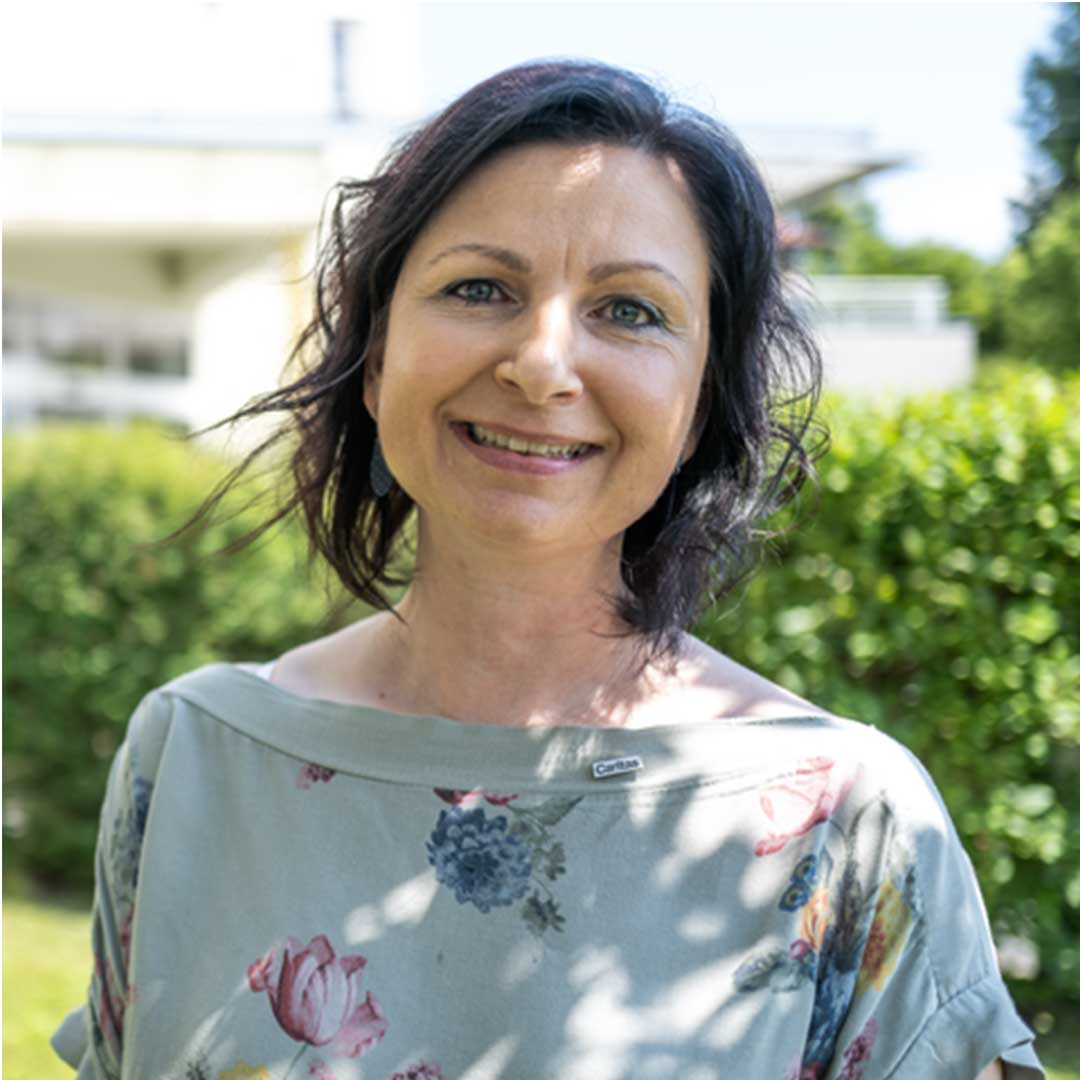
Insbesondere bei schwer sturzgefährdeten Personen liefert die cogvisAI Sturzprävention eine massive Erleichterung im Pflegealltag!

Durch die frühzeitige Alarmierung haben wir die Möglichkeit, dann vor Ort zu sein, noch bevor Stürze passieren. Das entlastet uns alle enorm.
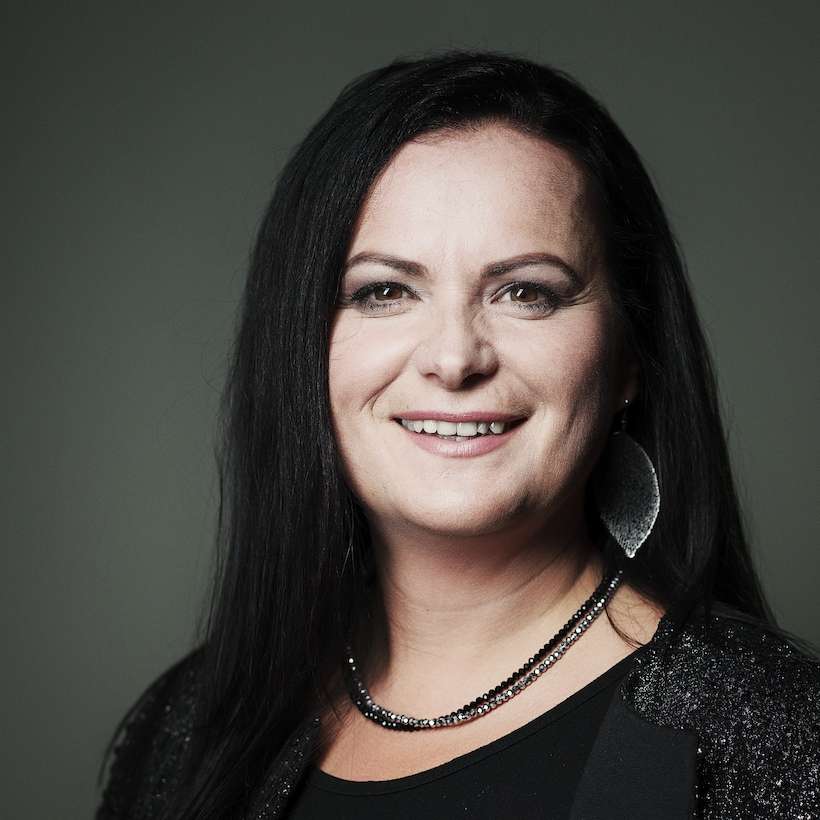
Häuser der Generationen Götzis und Koblach
cogvisAI ist in der Handhabung sehr einfach und unterstützt uns tagtäglich in unserem Pflegealltag. Seit wir das innovative Alarm System von cogvis bei uns im Altenwohnheim Kitzbühel integriert haben, konnten wir deutlich weniger Stürze unserer Bewohner verzeichnen.
Altenwohnheim Kitzbühel
Mit cogvisAI haben wir eine Technologie im Einsatz, die klinisch überzeugt.

Geriatrische Klinik St. Gallen
Der Einsatz der Sturzsensoren in unserem gemeinschaftlichen Wohnen gibt den Bewohnern und auch den MitarbeiterInnen die Sicherheit, sofort über einen Sturz oder einen epileptischen Anfall mittels einer SMS auf das Diensthandy informiert zu werden und dadurch schnell Hilfeleistung geben zu können.

Lebenshilfe Vorarlberg
In der Rehabilitation erlangen Patienten Sicherheit und vermehrte Selbständigkeit. Oft verleiten anfängliche Teilerfolge zur Selbstüberschätzung und es kommt zu vermehrter Sturzgefahr. cogvisAI macht durch die einfache & unkomplizierte Handhabung eine qualitative hochwertige Betreuung solcher Patienten möglich.

Rehaklinik Wien Baumgarten
Wir verwenden cogvisAI auf allen Stationen, da immer wieder sturzgefährdete Patienten aufgenommen werden.
Der Sensor eignet sich bestens für den Einsatz im Krankenhaus durch die einfache und unkomplizierte Einstellung über die Plattform.